

One of the biggest questions I hear from new electrical contractors isn't how to get licensed or how to find customers. It's this: What type of work should I specialize in? Specifically, many new shop owners are looking at EV chargers, generators, and solar installations because those services seem to be growing and generating a lot of attention.
The truth is that choosing an electrical specialty can significantly shape the future of your business. The right specialty can help you stand out, build expertise, and create a clearer marketing message. The wrong specialty can leave you chasing work that doesn't fit your skills, licensing, or local market. If you're trying to decide between EV charger installation, generator work, or solar projects, here's how I would evaluate the options.
Which Specialty Is Best for a New Electrical Contractor?
There is no universal winner. For many new electrical contractors, EV charger installation may provide the simplest path into specialty work because it often complements existing residential electrical services.
Generator installation can create larger project opportunities, while solar projects may require additional knowledge, partnerships, and market considerations.
The best specialty is usually the one that matches local demand, your technical experience, your licensing situation, and your long-term business goals.
Why Specialization Matters
Many new contractors try to offer every service imaginable.
That approach sounds logical.
After all, more services should mean more customers, right?
Not always.
Specialization can help you:
Build expertise faster
Create more focused marketing
Simplify training
Improve estimating accuracy
Create referral opportunities
Differentiate from competitors
Customers often feel more comfortable hiring a company that clearly knows what it does best.
That's why many successful electrical contractors become known for specific services rather than trying to be everything to everyone.
Understanding the EV Charger Market
EV charger installation has become one of the most discussed opportunities in residential electrical work.
As more homeowners purchase electric vehicles, charging infrastructure naturally becomes part of the conversation.
Common projects include:
Home charger installations
Dedicated circuits
Panel evaluations
Service upgrades
Commercial charging stations
One advantage of EV charger work is that it often creates additional opportunities.
A customer requesting a charger installation may also need:
Panel upgrades
Additional circuits
Electrical service improvements
For contractors already performing residential service work, EV chargers can be a natural extension of existing services.
In fact, contractors considering specialty work should first understand which services already fit within their overall business model. That's one reason I recommend reviewing Service Calls vs. Panel Upgrades: Choosing Your Bread-and-Butter Work, because your specialty should support your core work rather than distract from it.
Understanding the Generator Market
Generator installations appeal to many contractors because they solve a clear customer concern: power outages.
Residential and commercial clients often seek backup power solutions for:
Storm-related outages
Business continuity
Critical equipment protection
Convenience and comfort
Generator projects can involve:
Site planning
Electrical integration
Permit coordination
Fuel source considerations
Inspection requirements
Because generator systems often involve larger projects than standard service calls, contractors frequently need strong project management processes.
Generator customers also tend to value long-term relationships, maintenance support, and ongoing service.
Understanding the Solar Market
Solar attracts entrepreneurs because it is associated with long-term energy solutions and technology adoption.
However, solar is often more complex than new contractors initially realize.
Depending on the market, solar projects may involve:
System design
Utility coordination
Structural considerations
Permitting
Interconnection requirements
Multiple trade disciplines
Some electrical contractors perform solar work directly.
Others choose to partner with specialized solar companies.
Solar can absolutely become a strong specialty, but it often requires a substantial commitment to education, compliance, and operational planning.
The Market Demand Question
One mistake I see repeatedly is contractors choosing specialties based solely on national trends.
Local demand matters more.
A specialty that thrives in one region may have limited opportunities elsewhere.
Before choosing a specialty, research:
Local competition
Population growth
Housing trends
Commercial development
Utility programs
Customer demographics
Understanding your specific market often provides better guidance than industry headlines.
Resources from the U.S. Small Business Administration can help entrepreneurs evaluate local business opportunities and market conditions.
What Most People Get Wrong
Most contractors think specialization is about finding the highest-paying project type.
That's the wrong way to think about it.
The best specialty is often the one you can consistently market, deliver, and scale.
A specialty with moderate demand and limited competition may be more valuable than a trendy service everyone is chasing.
I've watched contractors build excellent businesses around unglamorous services simply because they executed those services consistently and professionally.
Business success usually comes from repeatable systems, not exciting buzzwords.
Start With Your Existing Strengths
Before selecting a specialty, ask a simple question:
"What can I already do well?"
If you have experience in residential electrical work, EV charging may be a logical extension.
If you've worked extensively with standby power systems, generators may fit naturally.
If you have training, partnerships, or prior experience related to renewable energy, solar might make sense.
Building on existing strengths is often safer than pursuing an entirely unfamiliar niche.
Licensing and Qualification Considerations
This is where many specialty decisions become more complicated.
Electrical licensing requirements vary significantly by state and local jurisdiction.
Some specialty services may involve:
Additional training
Additional certifications
Permit requirements
Utility approvals
Specialized inspections
Always verify requirements through the appropriate licensing and regulatory authorities before advertising specialty services.
Educational resources from the National Association of State Contractors Licensing Agencies can be found at NASCLA.
Insurance and Risk Reality Check
Different specialties can introduce different business exposures.
Electrical contractors commonly evaluate coverages such as:
Commercial auto insurance
Workers' compensation insurance
Equipment coverage
Umbrella liability protection
The type of specialty work you perform may affect operational risks and insurance considerations.
Discuss planned services with a licensed insurance professional familiar with contractor businesses so you understand potential exposures before expanding.
This becomes especially important when moving beyond standard residential service work into larger specialty projects.
Should You Specialize Immediately?
Usually, no.
Most successful electrical contractors don't launch with a highly specialized operation on day one.
They often begin by performing a range of electrical services and then observe:
Which jobs are most profitable
Which jobs they enjoy
Which jobs generate referrals
Which jobs fit their capabilities
Over time a specialization naturally emerges.
That's often a healthier approach than forcing a niche too early.
Building a Specialty Around Existing Customers
One of the smartest ways to choose a specialty is by listening to current customers.
What are they asking for?
If customers repeatedly request EV chargers, that's a signal.
If backup power is a common concern, generators may deserve attention.
Customer demand often reveals opportunities that market research alone cannot.
This is one reason service-oriented businesses frequently evolve successfully. The specialty develops from real customer needs rather than assumptions.
Connecting Specialty Work to Long-Term Growth
A specialty should support your long-term goals.
Think about where you want the company to be in five years.
Do you want:
Residential service technicians?
Commercial project teams?
Recurring maintenance relationships?
Large installation crews?
Different specialties point businesses in different directions.
Choose one that aligns with the business you ultimately want to build.
For readers still deciding whether electrical contracting is even the right trade business
Explore more in this blog: Electrician vs. HVAC Tech: Which Trade Business Pays Off Faster? Understanding the bigger industry picture helps put specialty decisions into context.
Don't Ignore the Basics
A surprising number of contractors become obsessed with finding the perfect niche.
Meanwhile, they neglect basic business functions.
The fundamentals still matter:
Answering the phone
Returning calls
Showing up on time
Delivering quality work
Managing cash flow
Following regulations
Specialization won't fix weak business operations.
Strong operations make specialization more valuable.
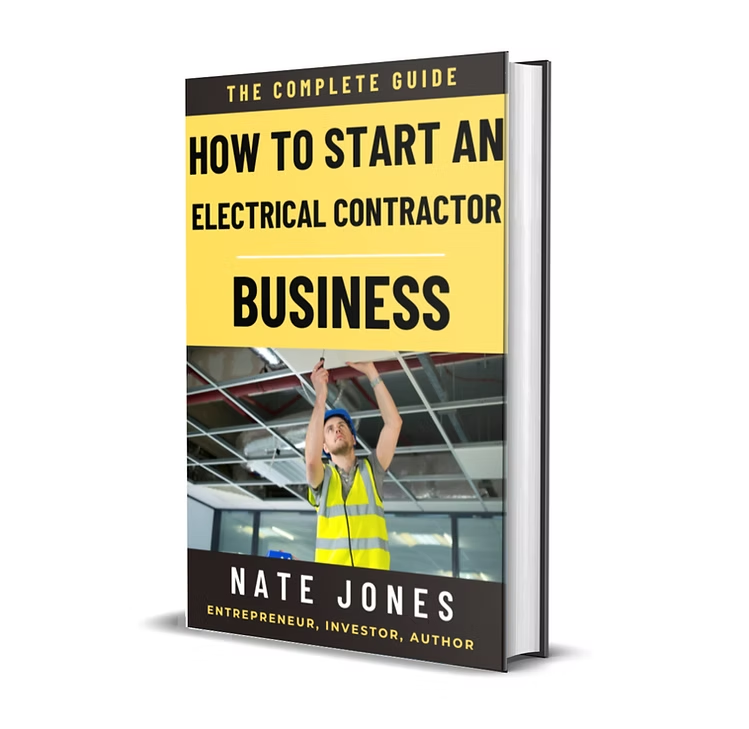
I cover the exact process of evaluating services, building operational systems, and launching an electrical company step-by-step in my e-book, How To Start an Electrical Contractor Business.
Lessons From New Electrical Contractors
Many first-year contractors make the mistake of chasing every opportunity available.
Eventually, they discover that focus matters.
That's why I also recommend reading Can a Handyman Legally Do Electrical Work? Where the Line Sits, particularly for entrepreneurs expanding their services and evaluating compliance obligations.
Likewise, many of the operational challenges associated with specialty growth resemble the startup issues discussed in 7 Mistakes New Electrical Contractors Make in Year One. The mistakes change, but the need for planning stays the same.
FAQ
Should a new electrical contractor specialize right away?
Many contractors benefit from first establishing a solid foundation of general electrical work before narrowing their focus into a specialty.
Are EV chargers a good specialty for beginners?
For many residential electrical contractors, EV chargers can be a logical extension of existing services because they often relate to panel capacity and electrical upgrades.
Is solar installation more complicated than EV charger work?
In many situations, solar projects involve additional planning, coordination, and regulatory considerations, although requirements vary by location.
Do generator installations require permits?
Often they do, but permit requirements vary by state and local jurisdiction. Always verify requirements before beginning work.
Which specialty grows the fastest?
Growth depends on local demand, competition, marketing, execution, and operational systems. There is no single specialty that guarantees faster growth.
Final Thoughts
When choosing between EV chargers, generators, and solar, don't focus on hype. Focus on fit. The best specialty is the one that aligns with your market, your skills, your licensing situation, and the type of company you want to build. Many successful contractors eventually offer multiple specialty services, but they often start by becoming exceptionally good at one.
If you're serious about starting an electrical contracting business, my e-book, How To Start an Electrical Contractor Business, provides practical guidance on business planning, licensing considerations, insurance fundamentals, service selection, marketing, operations, and common startup challenges. It's designed for aspiring electrical contractors looking for a roadmap, not a promise of results.
And if you want more practical insights on building contractor businesses, subscribe to the Nate Jones Entrepreneur YouTube channel.

