

One of the biggest decisions a dumpster rental business owner will make is when to expand beyond that first truck. Add capacity too early, and the extra payment, insurance costs, and overhead can strain the business. Wait too long, and you may turn away customers, frustrate contractors, and miss growth opportunities.
I've worked with thousands of contractors and service businesses through my insurance agency, including many dumpster rental companies. The pattern is surprisingly consistent. The businesses that expand successfully don't buy a second truck because they're excited. They buy a second truck because their numbers and operations consistently tell them it's time.
When Should a Dumpster Business Add a Second Truck?
A dumpster business should typically add a second truck when demand consistently exceeds the capacity of the first truck, customer service begins suffering, and the company has enough predictable work to support the additional operating costs.
The decision should be based on utilization, scheduling pressure, customer demand, and operational capacity rather than optimism alone. A second truck should solve an existing business problem, not create a new financial one.
Why the First Truck Is Usually the Hardest
The first truck carries almost everything.
It creates revenue.
It establishes customer relationships.
It builds your reputation.
It helps you learn your market.
During the early stages, most owners focus on:
Finding customers
Creating delivery routes
Learning disposal logistics
Understanding pricing
Managing maintenance
The reality is that the first truck teaches lessons that no spreadsheet can predict.
That's one reason I often advise entrepreneurs to avoid rushing into expansion until they've gathered real-world operating experience.
The Warning Signs You've Outgrown One Truck
Growth doesn't usually arrive all at once.
Instead, you'll begin noticing pressure points.
Common signs include:
Frequently booked schedules
Difficulty accommodating same-day requests
Delayed pickups
Missed opportunities
Contractor complaints about availability
Limited flexibility for emergencies
One isolated busy month doesn't necessarily justify expansion.
But when those issues become routine rather than occasional, it's time to evaluate additional capacity seriously.
Capacity Problems Usually Appear Before Revenue Problems
A common misconception is that owners should wait until the business feels flush with cash before expanding.
What I often see instead is that operational bottlenecks appear first.
Examples include:
Drivers working long days regularly
Trucks running multiple routes with little downtime
Customers waiting longer than expected
Contractors requesting capacity you can't provide
The question isn't simply whether you can afford a second truck.
The question is whether the lack of a second truck is actively limiting the business.
Those are two very different conversations.
Understand What Is Actually Constraining Growth
Before purchasing equipment, diagnose the real problem.
Sometimes the issue isn't the truck.
The issue could be:
Not enough dumpsters
Poor route planning
Inefficient scheduling
Staffing limitations
Disposal bottlenecks
Pricing that attracts the wrong jobs
I've seen operators purchase additional trucks when better logistics would have solved the problem at a fraction of the cost.
Expansion should solve the actual constraint.
The Contractor Test
Contractor accounts often provide the clearest signal that capacity needs to increase.
If reliable contractors repeatedly ask questions like:
"Can you get me another dumpster tomorrow?"
"Can you handle two more jobs this week?"
"Can you service another project for us?"
you should pay attention.
Contractors represent some of the most valuable repeat business in the industry.
When you're turning down profitable repeat customers because your schedule is full, capacity may be becoming a genuine issue.
What Most People Get Wrong
The biggest mistake I see isn't buying a second truck too late.
It's buying one too early.
Many entrepreneurs assume growth automatically fixes financial stress.
In reality, growth often increases complexity.
A second truck creates additional:
Insurance costs
Maintenance expenses
Driver management requirements
Compliance obligations
Administrative work
The best operators don't expand because they're optimistic.
They expand because they have evidence.
The first truck should be consistently productive before the second truck enters the picture.
Measure Utilization Before Making the Decision
If you're unsure whether expansion makes sense, start tracking key operating metrics.
Monitor:
Weekly deliveries
Weekly pickups
Average truck utilization
Requests declined
Lead times
Fleet downtime
Contractor demand
You don't need complicated software.
A simple spreadsheet often reveals valuable trends.
When decisions are based on actual operational data, they're generally better than decisions based on gut feeling alone.
The U.S. Small Business Administration offers planning and growth resources for expanding businesses through its website.
The Dumpster-to-Truck Balance Matters
Sometimes adding containers creates more capacity than adding a truck.
For example:
If your truck can still make deliveries efficiently but containers are constantly occupied, additional dumpsters may provide a higher return on investment than another vehicle.
Questions to ask:
Are dumpsters sitting full waiting for pickup?
Are containers unavailable when customers need them?
Is truck time or dumpster inventory the bottleneck?
Understanding the difference helps avoid expensive mistakes.
Expansion Requires Better Pricing Discipline
When operating one truck, some owners can survive minor pricing mistakes.
As the operation grows, pricing errors become more damaging.
Expansion often increases:
Fixed costs
Labor expenses
Administrative costs
Fleet maintenance exposure
That's why I frequently recommend reviewing Pricing Dumpster Rentals in Your Market: The Research Method before making major fleet investments.
Growth without disciplined pricing often creates stress rather than progress.
Hiring Often Arrives With the Second Truck
Many one-truck operations depend heavily on the owner.
The second truck frequently introduces a new challenge:
People.
Whether that's:
A driver
An office administrator
A dispatcher
Operational support
your systems become more important.
Processes that lived in your head now need to be documented.
Training becomes critical.
Consistency becomes critical.
Management becomes critical.
The second truck often marks the beginning of building a company rather than simply owning a truck.
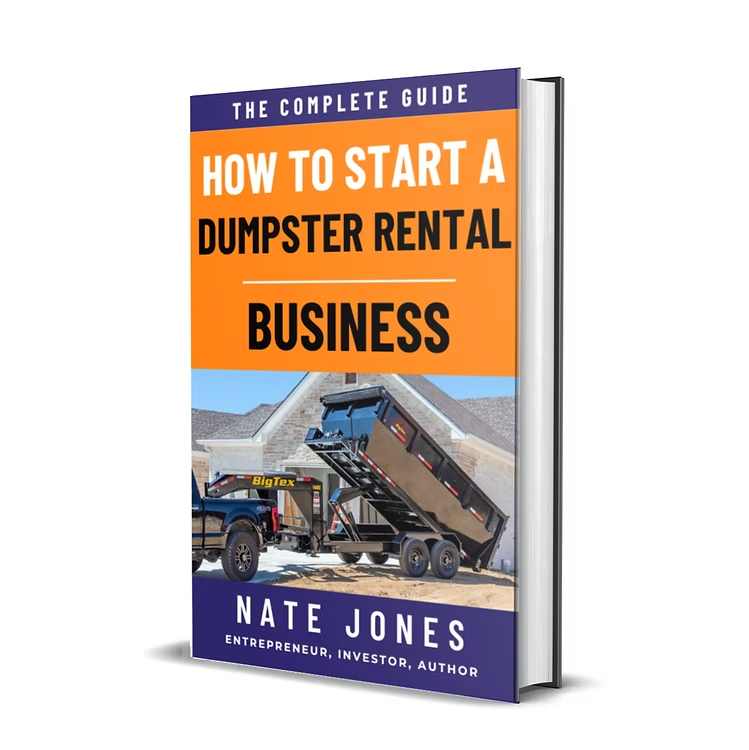
If you're evaluating expansion or preparing to launch your first operation, my e-book, How To Start a Dumpster Rental Business.
Think Beyond Equipment
A second truck has ripple effects throughout the operation.
Questions to consider:
Where will you park it?
Where will additional dumpsters be stored?
Will your current yard accommodate growth?
Are zoning requirements still appropriate?
Explore more in this blog: Where to Park Your Dumpsters: Yard, Lot, and Zoning Basics.
I've seen businesses purchase equipment before solving storage issues, creating avoidable headaches later.
Insurance and Licensing Reality Check
Expansion affects more than equipment payments.
Additional trucks may impact:
Liability considerations
Driver requirements
Registration obligations
DOT compliance responsibilities
Requirements vary by state and operating circumstances, so business owners should always verify applicable regulations through official sources.
The Federal Motor Carrier Safety Administration provides regulatory guidance and transportation resources.
As your fleet grows, periodic reviews with a qualified insurance professional become increasingly important.
A one-truck operation has different exposures than a two-truck operation.
Don't Let Customer Experience Slip
One danger of expansion is taking your eye off service quality.
Customers remember:
On-time delivery
Responsive communication
Clean equipment
Reliable pickups
They rarely care how many trucks you own.
The strongest companies maintain their service standards while scaling capacity.
The weakest companies become distracted by growth and allow customer experience to decline.
Risk Management Becomes More Important
With more deliveries comes more exposure.
Property damage concerns become more common.
Driver training becomes more important.
Documentation becomes more valuable.
Learn more in this blog: Driveway Protection and Damage Claims: The New Owner's Playbook.
Protecting your reputation should grow alongside your fleet.
The Best Reason to Buy a Second Truck
In my experience, the best reason to add capacity is simple:
Customers are already asking for work you cannot reliably fulfill.
That situation is very different from hoping more capacity will create more demand.
One is reactive to proven opportunity. The other is speculative.
The businesses that scale successfully tend to expand in response to demonstrated demand rather than assumptions.
Frequently Asked Questions
How many dumpsters should I have before buying a second truck?
There is no universal number. The answer depends on utilization rates, demand patterns, service area size, and operational efficiency.
Should I buy more dumpsters or another truck first?
It depends on what's limiting growth. If containers are constantly occupied, more dumpsters may solve the problem. If deliveries and pickups are the bottleneck, additional truck capacity may be more appropriate.
Is it better to hire a driver before buying a second truck?
Some operators do. Others add both simultaneously. The right approach depends on your workload, staffing strategy, and financial situation.
How do I know if growth is sustainable?
Look for consistent demand over time, especially repeat business from contractors and customers rather than temporary spikes in demand.
Can expansion hurt a dumpster rental business?
Yes. Expanding too quickly can increase costs, create operational inefficiencies, and strain cash flow if demand isn't strong enough to support the added capacity.
Final Thoughts
Moving from one truck to two is one of the most important milestones in a dumpster rental business. Done correctly, it can improve customer service, increase scheduling flexibility, support contractor relationships, and position the company for long-term growth. Done too early, it can add costs and complexity before the business is ready.
If you're evaluating expansion or preparing to launch your first operation, my e-book, How To Start a Dumpster Rental Business, covers startup planning, pricing, equipment selection, marketing, operations, insurance considerations, growth decisions, and common mistakes new owners make. It's designed for entrepreneurs who want a practical roadmap to the industry, not unrealistic promises about results.
For more practical entrepreneurship advice and real-world lessons from service businesses, subscribe to the Nate Jones Entrepreneur YouTube channel.