

One of the most common questions I hear from people looking at the dumpster rental industry is whether they need a special license to haul dumpsters. It's a smart question because getting it wrong can create expensive problems long before your business gets off the ground.
The short answer is that hauling dumpsters often involves DOT compliance requirements, and in some situations, a Commercial Driver's License (CDL) may be required. The exact rules depend on factors such as vehicle weight, state regulations, operating area, and how your equipment is configured. Before you buy a truck or your first dumpster, it's important to understand the basics.
Do You Need a Special License to Haul Dumpsters?
Not always. Some dumpster rental operators can legally operate without a CDL, while others will need one based on their truck's Gross Vehicle Weight Rating (GVWR), combined vehicle weight, and applicable state and federal regulations.
In addition to potential CDL requirements, many operators must comply with Department of Transportation (DOT) regulations, obtain a USDOT number when applicable, and follow vehicle safety requirements. Because regulations vary, every owner should verify requirements with the appropriate state and federal agencies before operating.
Understanding the Difference Between a CDL and DOT Compliance
Many new business owners mistakenly think a CDL and DOT compliance are the same thing.
They're not.
A CDL is a driver's license classification that authorizes operation of certain commercial vehicles.
DOT compliance refers to a broader set of rules that may include:
Vehicle inspections
Driver qualification requirements
Record keeping
Safety standards
Vehicle markings
Hours-of-service requirements in applicable situations
Drug and alcohol testing requirements where required by law
You can encounter DOT compliance obligations even in situations where a CDL may not be required.
That's why understanding both categories matters.
Why Vehicle Weight Changes Everything
When people start researching how to start a dumpster rental business, they often focus on dumpsters and customers. The more important early question is often the truck.
Regulations frequently depend on:
Gross Vehicle Weight Rating (GVWR)
Gross Combined Weight Rating (GCWR)
Whether you're crossing state lines
Vehicle configuration
State-specific requirements
A rollback truck, hook-lift truck, or hook truck may trigger entirely different licensing and compliance considerations depending on how it's equipped and operated.
This is one reason I recommend deciding on your equipment strategy before moving forward with business planning.
Common Dumpster Hauling Setups
I've seen operators enter the industry using several different approaches.
Light-Duty Dump Trailer Operations
Some entrepreneurs begin with:
A pickup truck
A dump trailer
A small inventory of dumpsters
This can reduce startup complexity, but operators still need to verify DOT and state requirements.
Hook-Lift Systems
Hook-lift trucks allow operators to transport multiple container types.
These systems are popular because they provide flexibility, but vehicle weights can increase quickly depending on truck specifications and container size.
Roll-Off Trucks
Traditional roll-off trucks are common among larger operators.
As vehicle size and capacity increase, compliance requirements become more significant.
Understanding these distinctions before purchasing equipment can save considerable money and frustration.
What Most People Get Wrong
The biggest mistake I see isn't failing a DOT inspection.
The biggest mistake is assuming compliance is something to figure out later.
New owners often spend weeks researching dumpsters, websites, logos, and marketing while spending almost no time understanding transportation regulations.
Then they discover that:
The truck they bought requires different licensing than expected
Their insurance requirements changed
Compliance costs are higher than anticipated
Additional documentation is necessary
The operators who avoid these problems treat compliance planning like part of the startup budget, not an afterthought.
Understanding USDOT Numbers
Many new owners hear about USDOT numbers but aren't sure when they apply.
The Federal Motor Carrier Safety Administration (FMCSA) provides official guidance regarding USDOT registration and commercial motor vehicle regulations through its website: https://www.fmcsa.dot.gov/registration.
Requirements can vary depending on:
Interstate operations
Vehicle weight
Cargo type
State-specific rules
Because requirements change and vary by situation, owners should consult official sources and verify the requirements that apply to their specific operation before beginning service.
Driver Qualification Requirements
Even when operating a small dumpster company, driver qualifications matter.
Depending on applicable regulations, operators may need to address:
Driver eligibility
Medical certification requirements
Driver qualification files
Vehicle inspection procedures
Safety documentation
Many first-time business owners underestimate the administrative side of transportation compliance.
The companies that experience fewer headaches usually build these processes into their operations from day one.
Insurance and Licensing Reality Check
This is where my background in commercial insurance comes into play.
Many startup owners focus heavily on equipment costs while overlooking licensing and insurance implications.
Licensing requirements vary by:
State
Municipality
Vehicle classification
Operating structure
Insurance considerations often involve:
Commercial auto coverage
Physical damage protection
Workers' compensation, where required
Excess liability considerations in some operations
The exact coverage structure depends on your business model and should be discussed with a qualified insurance professional.
Proper compliance can also make insurance placement significantly easier than trying to resolve issues after the business is already operating.
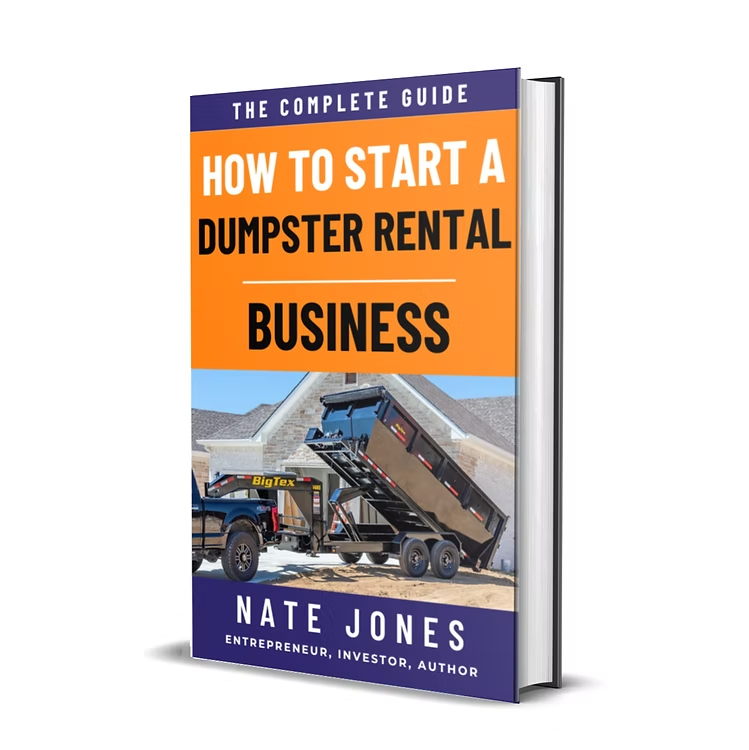
I cover the exact startup planning, equipment selection, compliance considerations, and business setup process step-by-step in my e-book, How To Start a Dumpster Rental Business.
DOT Compliance Starts Before Your First Customer
One thing successful operators understand is that compliance isn't something customers see.
But it affects nearly everything.
Before launching, you'll want systems for:
Vehicle maintenance
Inspection schedules
Driver documentation
Record retention
Safety procedures
The Occupational Safety and Health Administration also provides workplace safety resources that may be useful as your business grows: OSHA Small Business Resources.
The more organized your compliance processes become, the easier it is to scale operations later.
Pricing Must Account for Compliance Costs
Another common startup mistake is failing to account for compliance-related expenses when setting rates.
Your pricing structure should consider:
Fuel
Maintenance
Truck payments
Insurance costs
Administrative expenses
Compliance requirements
Disposal fees
This is one reason I recommend reading Pricing Dumpster Rentals in Your Market: The Research Method before finalizing rates. Many operators focus on competitor pricing without fully understanding their own cost structure.
Property Damage Risks Don't Disappear
Licensing and DOT compliance get a lot of attention, but day-to-day operational risks often create just as many problems.
For many dumpster operators, issues involve:
Cracked driveways
Surface damage
Property disputes
Placement misunderstandings
These situations can affect customer relationships and insurance claims.
Learn more in this blog: Driveway Protection and Damage Claims: The New Owner's Playbook.
Storage and Zoning Matter Too
Many people focus entirely on vehicle regulations but ignore where dumpsters will actually be stored.
Local zoning rules may affect:
Fleet storage
Dumpster storage
Equipment parking
Business operations
Before leasing property or purchasing a storage yard, review Where to Park Your Dumpsters: Yard, Lot, and Zoning Basics.
I've seen owners solve every compliance issue related to transportation only to discover local zoning presented another challenge entirely.
Building Your Compliance Checklist
A simple approach for new operators is creating a startup checklist covering:
Business formation
Licensing verification
Insurance consultation
Vehicle registration
DOT requirements
Driver requirements
Maintenance procedures
Documentation systems
No two operators will have identical requirements, but nearly every successful company develops a repeatable process.
The goal isn't perfection.
The goal is reducing surprises.
Frequently Asked Questions
Do I always need a CDL to haul dumpsters?
No. Whether a CDL is required depends on vehicle weight ratings, configurations, and applicable regulations. Always verify requirements with state and federal authorities.
What is a USDOT number?
A USDOT number is an identifier used by the Federal Motor Carrier Safety Administration for certain commercial motor vehicle operations. Whether it's required depends on your operating circumstances and applicable regulations.
Are DOT rules the same in every state?
No. While federal regulations apply in many situations, states may have additional requirements. Verify rules with the appropriate agencies where you operate.
Can I start a dumpster business with a pickup and trailer?
Many operators do, but you still need to verify licensing, registration, weight limits, insurance requirements, and DOT compliance obligations before operating.
What happens if I ignore DOT compliance?
Potential consequences vary depending on circumstances but may include fines, operational disruptions, insurance complications, and regulatory issues. Compliance should be addressed before beginning operations.
Final Thoughts
So, do you need a special license to haul dumpsters? Sometimes yes, sometimes no. The answer depends on your truck, vehicle weights, operating area, and the regulations that apply to your specific business. What I can tell you is that successful operators don't guess. They verify requirements, build compliance into their startup plan, and avoid surprises that can derail growth.
If you're evaluating the industry or preparing to launch your first operation, my e-book, How To Start a Dumpster Rental Business, walks through equipment decisions, startup planning, pricing strategies, marketing, operations, insurance considerations, compliance topics, and growth planning. It's designed as a practical roadmap for entrepreneurs entering the industry and is not a guarantee of business results. If you'd like a structured guide to help navigate the process.
For more practical, no-hype business content, subscribe to the Nate Jones Entrepreneur YouTube channel.