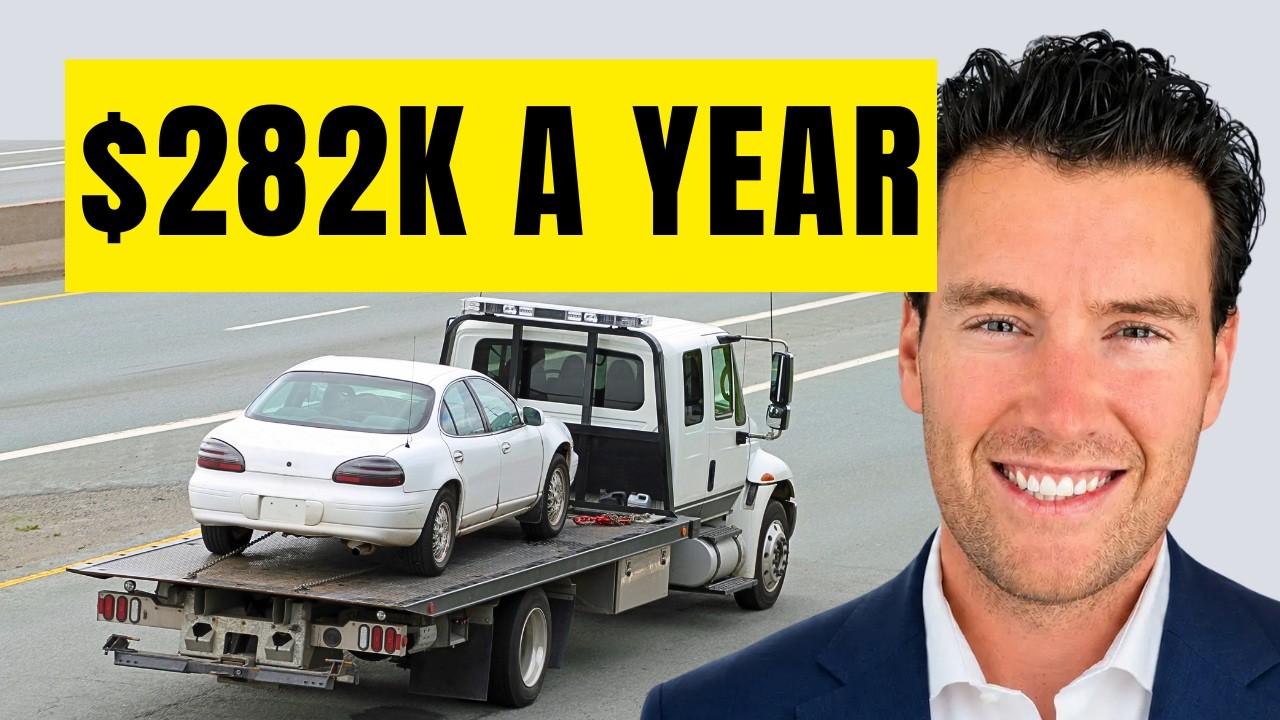

If you're researching how to start a tow truck business in Georgia, you're probably trying to answer a bigger question: Is this a realistic business opportunity, and what does it actually take to do it right?
I've worked with thousands of contractors, transportation companies, and service businesses through my insurance agency. The towing industry is one of those businesses that looks simple from the outside but becomes much more complex once you're responsible for equipment, regulations, customers, insurance, and cash flow. The good news is that many startup mistakes are avoidable when you understand the industry before investing significant money.
This guide will walk you through the practical steps involved in starting a tow truck business in Georgia, along with the challenges most new owners don't see coming.
How Do You Start a Tow Truck Business in Georgia?
To start a tow truck business in Georgia, you'll typically need to establish a business entity, understand state and local towing requirements, secure appropriate insurance, obtain suitable equipment, create a marketing strategy, and build operational systems. Because regulations can change and vary by location, always verify current requirements directly with relevant Georgia authorities before beginning operations.
Start With the Business Model Before the Truck
One of the most expensive mistakes I see is buying equipment before deciding what type of towing company you're actually building.
Not every towing company serves the same customers.
You could focus on:
Roadside assistance
Local vehicle towing
Flatbed transportation
Commercial fleet work
Equipment transport
Private property towing
Recovery services
Each segment has different equipment needs, startup costs, risks, and customer expectations.
Before shopping for a truck, determine exactly who your customers will be and what services you'll provide.
If you're completely new to the industry, this is the perfect place to interlink How to Start a Tow Truck Business With No Experience. Readers who haven't worked in towing before need a foundational understanding of how the industry operates before they begin investing.
Create a Startup Plan
A tow truck business is still a business.
That sounds obvious, but many entrepreneurs become so focused on trucks that they forget about planning.
Before spending money, answer questions including:
What market am I serving?
What geographic area will I cover?
How many hours will I operate?
What will my pricing structure look like?
How will customers find me?
How much operating capital do I need?
The U.S. Small Business Administration offers planning guidance and resources for entrepreneurs evaluating startup costs and launching new businesses (SBA).
A simple written plan is often enough to identify weaknesses before they become expensive problems.
Register the Business
Most towing operators choose a legal business structure before accepting customers.
Common options include:
Sole proprietorship
Limited liability company (LLC)
Corporation
Partnership
The right option depends on factors such as taxes, ownership structure, liability considerations, and long-term goals.
Many business owners work with attorneys and accountants during this phase to ensure the company starts with the proper legal foundation.
Understand Georgia Licensing and Regulatory Requirements
Every state handles towing regulations differently.
Georgia is no exception.
Depending on where and how you operate, you may encounter requirements involving:
Business registration
Vehicle registrations
Driver qualifications
Local permits
Safety requirements
Towing-related regulations
The Georgia Department of Public Safety and other state agencies provide information regarding towing-related regulations and requirements. Entrepreneurs should always verify current obligations directly with official state resources before launching operations.
One of the biggest mistakes I see is relying on information from social media or online discussion groups.
Those sources may be outdated or incorrect.
Official sources should always be your primary reference.
Selecting the Right Equipment
Choosing equipment is one of the largest startup decisions you'll make.
The truck you purchase should fit your intended services.
Options commonly include:
Wheel-lift trucks
Traditional wreckers
Flatbeds
New entrepreneurs often assume larger equipment automatically equals more opportunity.
That's not always true.
A truck that aligns with your market is usually more valuable than a truck that simply costs more money.
Explore more in this blog: Tow Truck Startup Costs by Truck Type: Wrecker, Wheel-Lift, Flatbed because readers are naturally thinking about equipment decisions and startup expenses at this stage.
Understanding operational costs before purchasing equipment can prevent significant financial mistakes later.
Budget for More Than the Truck
Many people underestimate startup costs.
The truck payment gets most of the attention, but other expenses often surprise first-time owners.
Potential expenses include:
Fuel
Maintenance
Repairs
Insurance
Licensing fees
Administrative software
Office expenses
Storage costs
Employee expenses
The business doesn't start costing money when the truck breaks down.
It starts costing money the moment you buy it.
New owners who maintain healthy cash reserves generally have more flexibility when unexpected expenses arise.
Build a Customer Acquisition Plan
A towing company needs customers before it needs growth.
One of the biggest myths in the industry is that buying a tow truck automatically creates business.
It doesn't.
Most towing companies generate work through a combination of:
Vehicle repair facilities
Auto dealerships
Commercial accounts
Fleet operators
Property managers
Referrals
The strongest businesses rarely depend on a single lead source.
Instead, they build multiple channels that consistently generate opportunities.
Customer acquisition should be part of the startup process, not something you think about after purchasing equipment.
Set Up Operations Like a Real Business
Many first-year owners focus entirely on calls and towing jobs.
They neglect systems.
Good systems include:
Invoicing procedures
Accounting processes
Expense tracking
Scheduling tools
Customer communication standards
Record retention procedures
These aren't exciting topics.
They're also the things that often separate sustainable businesses from struggling businesses.
The businesses that understand their numbers typically make better decisions.
Why Insurance Should Be Addressed Early
Because I work in commercial insurance, I see this issue all the time.
Insurance is often treated like a final checkbox.
That's a mistake.
Insurance decisions can affect:
Startup budgets
Contract eligibility
Risk management
Business planning
Compliance obligations
Coverage needs depend on factors such as:
Truck type
Services offered
Geographic range
Number of employees
Customer requirements
There is no one-size-fits-all answer.
That's why speaking with a licensed insurance professional before launching is important.
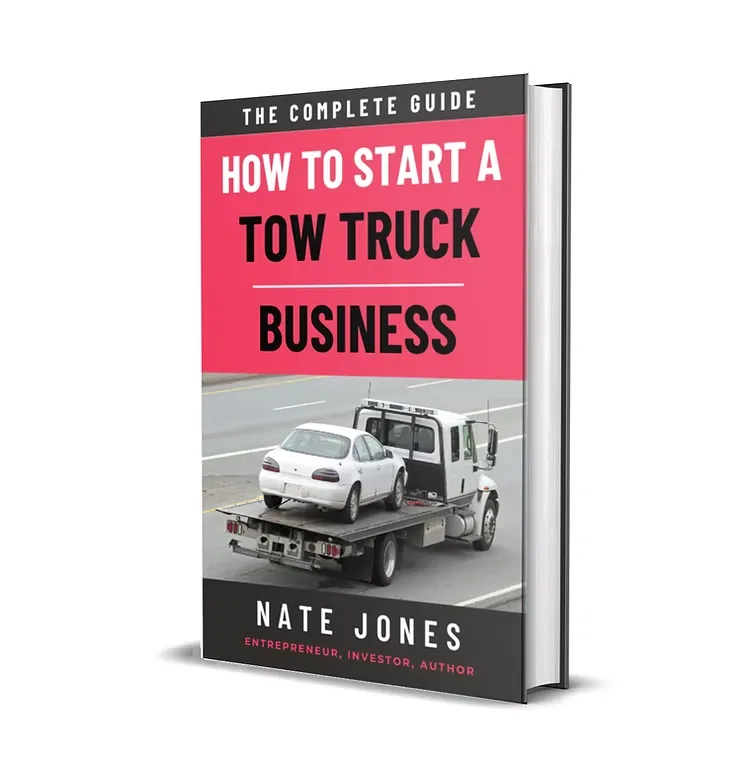
I cover the exact startup planning, budgeting, truck selection, and insurance preparation process step-by-step in my e-book, How To Start a Tow Truck Business
What Most People Get Wrong
Most people think towing is primarily an equipment business.
I think it's a customer-service business disguised as an equipment business.
The truck matters.
But customers don't hire you because they like your truck.
They hire you because they need a reliable solution to a problem.
I've seen companies with older equipment outperform competitors with newer fleets because they answered the phone consistently, communicated professionally, and showed up when promised.
Reliability is often a stronger competitive advantage than equipment.
Don't Confuse Towing With Repo Work
I regularly see entrepreneurs compare towing and repossession services when researching vehicle-related businesses.
While there can be overlap in equipment and transportation skills, these are fundamentally different businesses.
Customer relationships, regulations, operational procedures, liability considerations, and daily workflows can vary significantly.
Explore more in this blog: Towing vs. Repo Work: Two Very Different Businesses Compared for readers evaluating multiple business opportunities before investing.
Understanding those differences can help entrepreneurs avoid pursuing a model that doesn't fit their goals.
The Long-Term Opportunity
The towing businesses that survive tend to share a few characteristics:
They understand their costs.
They manage risk carefully.
They build strong relationships.
They market consistently.
They avoid reckless expansion.
Success usually comes from operational discipline rather than shortcuts.
That's true in Georgia and everywhere else.
FAQ
How much does it cost to start a tow truck business in Georgia?
Startup costs vary significantly based on truck type, insurance requirements, location, equipment choices, and operational goals. Create a detailed budget before investing.
Do I need a special license to operate a tow truck in Georgia?
Requirements vary and can change over time. Verify current licensing and operational requirements directly with appropriate Georgia agencies.
What is the best tow truck for a startup business?
The best truck is the one that aligns with your target services and market. Different business models require different equipment.
Is Georgia a good state for a towing company?
Georgia has substantial vehicle traffic and commercial activity, but business outcomes depend on competition, management, customer acquisition, operating costs, and local market conditions.
Do I need commercial insurance to start a towing business?
Most towing operations require commercial insurance tailored to their activities. Consult a licensed insurance professional to evaluate your specific needs.
Final Thoughts
Starting a tow truck business in Georgia requires much more than purchasing equipment. The strongest operators understand licensing, budgeting, customer acquisition, insurance planning, and operational systems before launching.
If you're serious about building a towing company, my e-book, How To Start a Tow Truck Business, provides a practical roadmap covering startup planning, equipment selection, budgeting, insurance considerations, customer acquisition, and growth strategies.
It's designed for aspiring towing entrepreneurs who want a realistic view of the industry before investing substantial time and money. Like any educational resource, it does not guarantee results, and outcomes vary based on market conditions, experience, decisions, and execution.
Learn more at
And if you enjoy straightforward business advice without hype, subscribe to the Nate Jones Entrepreneur YouTube channel for more content on starting, operating, and growing service businesses.