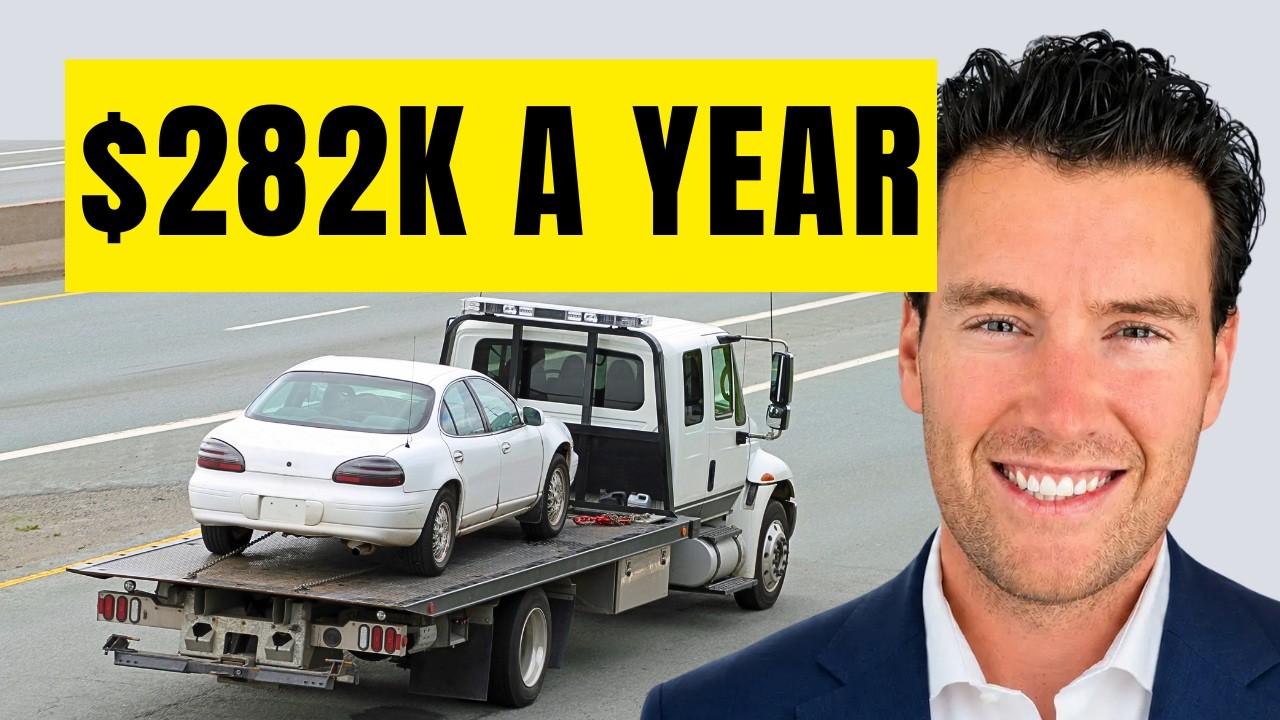

If you're wondering how to start a tow truck business in Texas, you're probably asking more than just how to buy a truck. You're really asking how to enter a competitive industry, stay compliant, find customers, and build a business that survives beyond the first year.
I've spent years working with business owners through my commercial insurance agency, including many transportation and towing operations. What I've learned is that successful towing companies usually aren't built by people who take shortcuts. They're built by people who understand the numbers, plan carefully, and focus on execution. This guide will walk you through the major steps involved in starting a tow truck business in Texas and the common mistakes to avoid.
How Do You Start a Tow Truck Business in Texas?
To start a tow truck business in Texas, you typically need to form a business entity, obtain required licenses and registrations, secure appropriate insurance, purchase suitable equipment, establish operational systems, and develop a customer acquisition strategy. Specific licensing and regulatory requirements can vary, so always verify current requirements directly with Texas regulators before beginning operations.
Understand the Type of Towing Business You Want to Build
One of the biggest mistakes I see is entrepreneurs buying a truck before deciding what market they want to serve.
A towing company can focus on:
Roadside assistance
Light-duty vehicle towing
Flatbed transportation
Commercial fleet towing
Private property towing
Accident recovery
Equipment transport
Each model has different costs, equipment requirements, customer expectations, and insurance considerations.
The clearer your niche, the easier it becomes to make smart equipment and marketing decisions.
If you're completely new to the industry, a good place to begin is your article How to Start a Tow Truck Business With No Experience. That article naturally helps readers understand industry basics before investing significant money into trucks and equipment.
Create a Business Plan Before Buying Equipment
Many prospective owners skip this step because they're eager to get started.
That's a mistake.
You do not need a complicated 50-page business plan, but you should answer questions such as:
Who will my target customers be?
What services will I offer?
What hours will I operate?
How will leads be generated?
What are my monthly fixed expenses?
How much capital do I need in reserve?
What equipment will I purchase?
The U.S. Small Business Administration provides planning resources that can help entrepreneurs evaluate startup costs, funding requirements, and operational planning before launching a business (SBA).
Successful towing businesses are usually built on planning rather than assumptions.
Form Your Business Entity
Most towing company owners choose a legal business structure before accepting customers.
Depending on your circumstances, options may include:
Sole proprietorship
Limited liability company (LLC)
Corporation
Partnership
Entity selection affects areas such as taxation, liability exposure, record keeping, and banking.
Because every situation is different, many entrepreneurs work with legal and tax professionals before making this decision.
The goal isn't paperwork.
The goal is building the right foundation from day one.
Learn Texas Licensing Requirements
One reason so many people search for information on starting a tow truck business in Texas is because regulations matter.
Towing businesses may encounter requirements involving:
Business registration
Vehicle registration
Tow operator licensing
Local permits
Safety compliance rules
Driver qualification requirements
Requirements can change and may differ depending on location and operating model.
The Texas Department of Licensing and Regulation provides information about towing-related regulations and licensing requirements, making it an important resource for verification before launching operations (Texas Department of Licensing and Regulation).
Do not rely exclusively on social media posts or online forums for compliance guidance.
Verify everything directly through the appropriate state and local authorities.
Choose the Right Truck
The truck you buy should align with your business model.
This sounds obvious, but many new owners make emotional purchasing decisions.
Common equipment types include:
Wheel-lift trucks
Wrecker trucks
Flatbed trucks
Each serves different needs.
A larger truck isn't automatically a better truck.
The best equipment is the equipment that matches the work you plan to perform.
Understand Startup Costs
A tow truck business involves much more than a truck payment.
Potential costs include:
Down payments
Equipment purchases
Licensing fees
Fuel
Maintenance
Insurance
Marketing
Office expenses
Dispatch software
Payroll
One problem I see repeatedly is entrepreneurs budgeting for equipment but not budgeting for operations.
The truck gets all the attention.
The operating costs create most of the surprises.
Maintaining working capital can help manage the inevitable expenses that arise during the first stages of growth.
Build a Customer Acquisition Strategy
A truck sitting in a parking lot is not a business.
Customers create businesses.
New towing companies often generate work from sources such as:
Local repair facilities
Property management companies
Fleet operators
Vehicle dealerships
Online searches
Referrals
Networking
Your marketing strategy doesn't need to be complicated.
It needs to be consistent.
The companies that build multiple lead sources tend to have more stability than companies relying entirely on a single customer relationship.
Professional Support That Helps You Grow Your Insulation Contractor Business
Growing an insulation business takes more than quality work. A strong online presence helps you attract more customers and build trust. Contractor Back Office helps insulation contractors market their services and present a professional image.
One valuable service is Social Media Management, which helps you share projects, engage with customers, and stay visible in your local market.

Set Up Financial Systems Early
Another common mistake is waiting too long to establish business systems.
From day one, you should consider:
Bookkeeping processes
Invoicing systems
Expense tracking
Tax planning
Record retention
Many owners focus exclusively on getting more calls.
The stronger businesses also focus on understanding their numbers.
A company that tracks expenses carefully usually makes better decisions than one operating entirely on instinct.
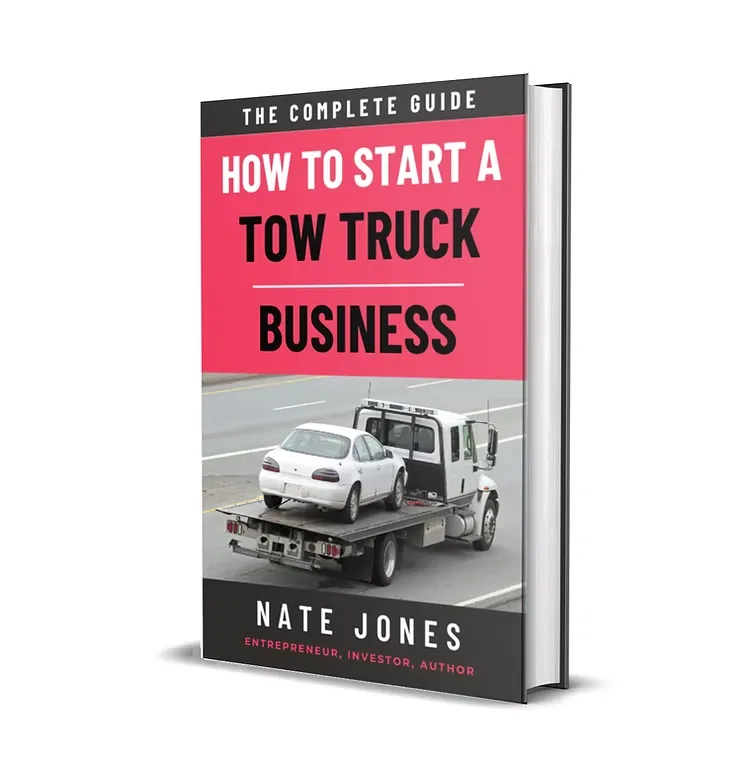
I cover the exact startup planning, budgeting, equipment evaluation, and operational setup process step-by-step in my e-book, How To Start a Tow Truck Business
Insurance Matters More Than Most People Think
Because I work in commercial insurance, this is one area where I consistently see avoidable mistakes.
Insurance should not be treated as a final checklist item.
The right insurance strategy can affect:
Startup budgets
Contract opportunities
Business stability
Risk management practices
Long-term planning
Coverage needs vary based on:
Services offered
Vehicle types
Number of employees
Operating territory
Customer requirements
There is no universal solution.
That's why it's important to work with a licensed insurance professional who understands commercial transportation and towing exposures.
A dedicated Wexford Insurance towing guide would fit naturally in this section as an internal reference for readers researching coverage considerations.
What Most People Get Wrong
Most people think the hardest part of starting a towing company is buying the truck.
I disagree.
The hardest part is building consistent demand.
I've seen operators with modest equipment outperform competitors with newer fleets because they understood marketing, customer service, pricing, and operations.
The truck matters.
But customers don't call because your truck is impressive.
They call because they need help, and they trust you to provide it.
That distinction matters.
Don't Confuse Towing with Repo Work
New entrepreneurs sometimes compare towing and recovery work with repossession services.
While there are similarities involving vehicles and transportation, they are very different businesses.
Customer relationships, regulations, operating procedures, risk exposures, and daily activities can differ significantly.
Explore more in our blog: Towing vs. Repo Work: Two Very Different Businesses Compared for readers evaluating multiple business models before investing.
Understanding the distinction early can prevent expensive mistakes later.
FAQ
How much does it cost to start a tow truck business in Texas?
Startup costs vary widely depending on truck type, location, insurance requirements, licensing obligations, and business goals. Create a detailed budget before purchasing equipment.
Do I need a special license to operate a tow truck in Texas?
Certain towing activities may require specific licensing or compliance requirements. Verify current requirements directly with the Texas Department of Licensing and Regulation.
Is towing a good business in Texas?
Texas has significant vehicle traffic and commercial activity, but business success depends on market conditions, competition, management decisions, customer acquisition, and operating efficiency.
What type of tow truck should I buy first?
The answer depends on your target market. The best truck is usually the one that aligns with your planned services rather than the largest or most expensive option.
Do I need commercial insurance for a towing business?
Most towing operations require commercial insurance tailored to their activities. Coverage needs vary, so speak with a licensed insurance professional about your situation.
Final Thoughts
Starting a tow truck business in Texas involves much more than purchasing equipment. The strongest operators take time to understand licensing requirements, startup costs, customer acquisition, insurance considerations, and operational systems before launching.
If you're serious about entering the industry, my e-book, How To Start a Tow Truck Business, provides a practical roadmap covering startup planning, truck selection, budgeting, insurance considerations, marketing, customer development, and growth strategies.
It's written for aspiring towing entrepreneurs who want a realistic understanding of the business before investing substantial time and money. Like any educational resource, it does not guarantee business results, and outcomes vary based on market conditions, experience, decisions, and execution.
Learn more at
BUY MY BOOK
And if you enjoy straightforward business advice without hype, subscribe to the Nate Jones Entrepreneur YouTube channel for more content on starting, operating, and growing service businesses.